
Empowering Surgeons, Elevating Patient Care
Equipping surgeons with innovative solutions to enhance patient outcomes.
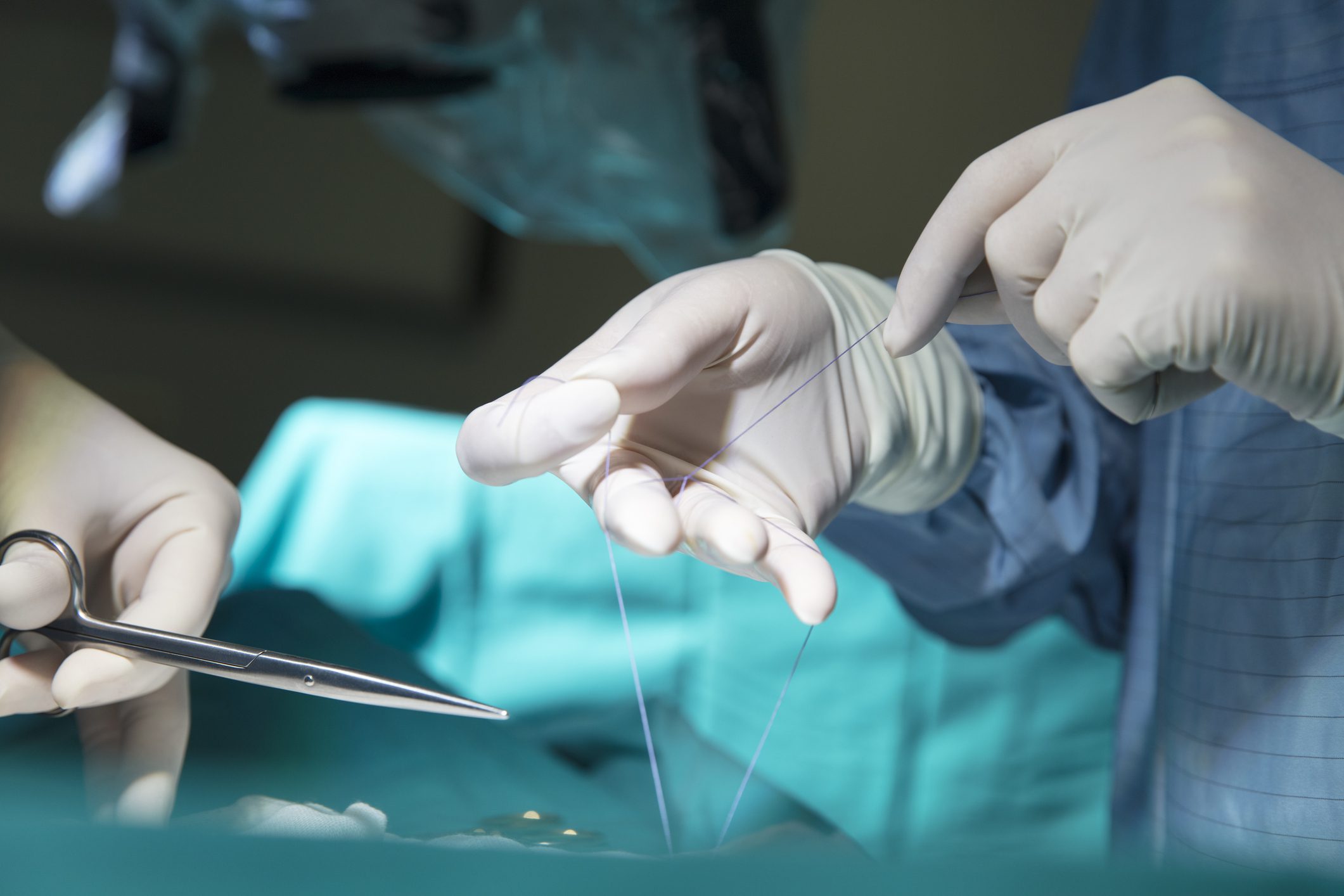
Opus Sling: Adjustable Precision, Lasting Confidence
Precision Continence Restoration With Controlled Postoperative Adjustability
The Opus Sling System is an adjustable, minimally invasive, urethral support platform engineered for women and men with stress urinary incontinence. It provides surgeons with controlled postoperative tension modulation, allowing optimization of urethral support after initial implantation - without returning to the operating room.
Why Opus?
Traditional non-adjustable/fixed-tension slings rely on a single intraoperative tension/position estimate. The Opus Sling System incorporates an early postoperative adjustment window that allows surgeons to titrate urethral support in response to observed continence outcomes within the patient’s native physiological context.
Key Advantages for Surgeons
Postoperative adjustability within one day.
Predictable, incremental tensioning.
Supports both synthetic sling material and autologous fascial graft.
Optimizes continence while minimizing obstruction risk.
Reduces the need for revision surgery for under-correction.
Applicable to female SUI and male post-prostatectomy incontinence.
Clinical Rationale
SUI severity, urethral mobility, tissue quality, bladder capacity, and cough pressure vary widely. A fixed-tension sling cannot accommodate this variability.
Opus Sling System allows:
Fine-tuning based on early functional response.
Personalized continence optimization.
Better outcomes in complex or recurrent SUI cases.
Immediate in-office adjustments with no anesthesia.
Reduction of urethral obstruction events from overtensioning.

Technology Summary
Adjustable Tensioning Interface
A compact, protected mechanism that enables controlled postoperative tension changes.
Sling Material Flexibility
Surgeons may use:
Both options integrate seamlessly with the Opus Sling System.
Anatomically Conforming Design
The low-profile system accommodates:
Surgical Technique
The standard retropubic approach is used. A disposable trocar system provided in the kit or a reusable trocar system can be utilized.
Ideal Patient Profiles
Clinical Advantages
One of the primary causes of fixed-sling failure is insufficient tension. The Opus Sling System allows early correction to improve outcomes.

Training & Support
Training is available for urogynecologists, urologists and pelvic reconstructive surgeons. The Opus Sling system medical team provides:
Proctored OR training.
Hands-on cadaveric workshops.
Detailed procedural videos.
Patient selection guidance.
Peer-to-peer surgeon mentorship.
Technical support line.
Request Surgical Training or Demonstration
A clinical specialist can provide case support, cadaver lab access, or an on-site demonstration.