
Understand How It Works
Learn the science and design behind a solution built for safer outcomes.

Key Innovations
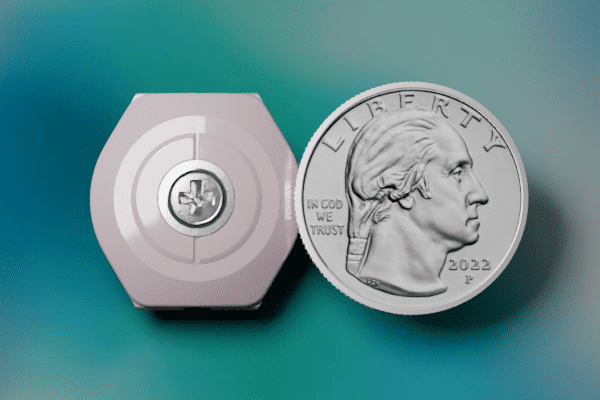
The core of the system is an implantable device housing that contains a bobbin (spool) and drive assembly, which holds the threads of the sling or graft under tension.
Through rotation of the bobbin - actuated via a shaft and gear assembly - the length of the sling threads and tension can be adjusted even after implantation.
Threads can be wound (tightened) or unwound (relaxed), allowing postoperative fine-tuning of urethral support without re-operation.
The design aims for a low-profile, compact housing to minimize bulk and maximize patient comfort.
Components & Mechanics
Sling or Graft + Threads
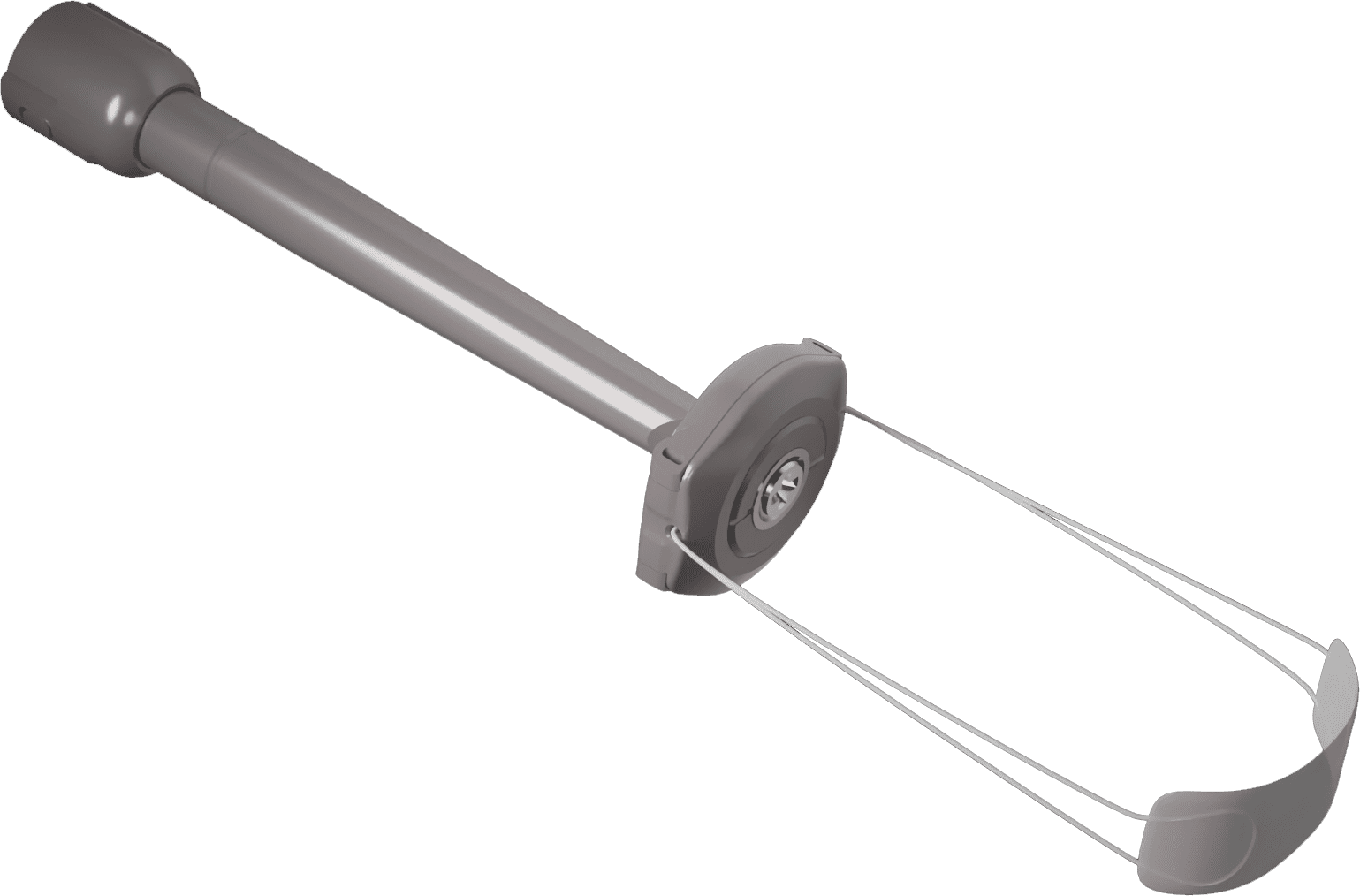
Bobbin & Drive Assembly
Adjustment Tool Interface
Thread Locking & Final Fixation
OPUS Sling: Expanding Possibilities Beyond Fixed Slings
Challenge With Fixed Slings: How the Adjustable System Solves It
- Sling position/tension set only at surgery - it may be suboptimal after swelling subsides or tissue shifts.
- Risk of overtensioning or undertensioning. Once implanted, there is no easy way to correct issues without additional revision surgery.
- Limited material options. ALL fixed slings are made of mesh-only materials
Advantages of OPUS Sling System
- Fine incremental adjustments allow the surgeon to optimize tension to the “sweet spot”, avoiding overtensioning or undertensioning
- Non-invasive in-office adjustments can reduce or eliminate the need for reoperation.
- Supports both synthetic and autologous graft materials - more flexibility for patient mesh/tissue choice.
Typical Use Workflow
- A sling or graft is positioned beneath the mid-urethra (bladder neck in men) using a standard surgical approach.
- Threads of the sling are routed through tissue via retropubic approach and into the device housing.
Advantages of This Technology for Patients & Surgeons
Personalized continence control/adjustments tailored to individual healing and anatomy.
Reduced need for revision surgery due to suboptimal sling tension/position.
Mesh-Optional and autograft-compatible addressing concerns of synthetic mesh use in certain patients.
Low-Profile implant improves comfort and reduces foreign-body sensation.
Higher success in complex or recurrent SUI cases, in both women and men, with higher patient satisfaction